
HAND-DRAWN JOURNALISM
The Hidden Nations of Animals
I’ve long admired the vitality of field sketches—Winslow Homer’s Civil War scenes, David Roberts’s dispatches from Egypt, and Conrad Martens’s observations aboard the Beagle. When Ryan Huling invited me to illustrate his epic travelogue, I suggested we take a page out of history and illustrate the book as if it were an explorer’s notebook.
DECISIVE MOMENTS
My approach to illustration stems from my years at National Geographic, working alongside legendary photojournalists. Their narratives inspired me to depict moments, not things. While I use graphite and watercolor instead of a camera, I share Henri Cartier-Bresson’s observational aim: to identify significant events and the “precise organization of forms” that provide their proper expression.
For Ryan’s book, I reviewed each chapter in search of three kinds of events: openers to establish character or setting; details to symbolize his themes; and wider vistas to place you right there alongside him.
Once I had chosen my moments, it was time to start drawing. But first I had to understand each animal’s morphology: how beavers swim, how bats flap, how ants walk, how mole-rats dig, how saiga run, and how cranes fly.
Early on I also decided to develop a color palette that would follow Ryan’s journey through the seasons, from the green edge of beaver ponds to icy blue mornings on the Kazakh steppe.
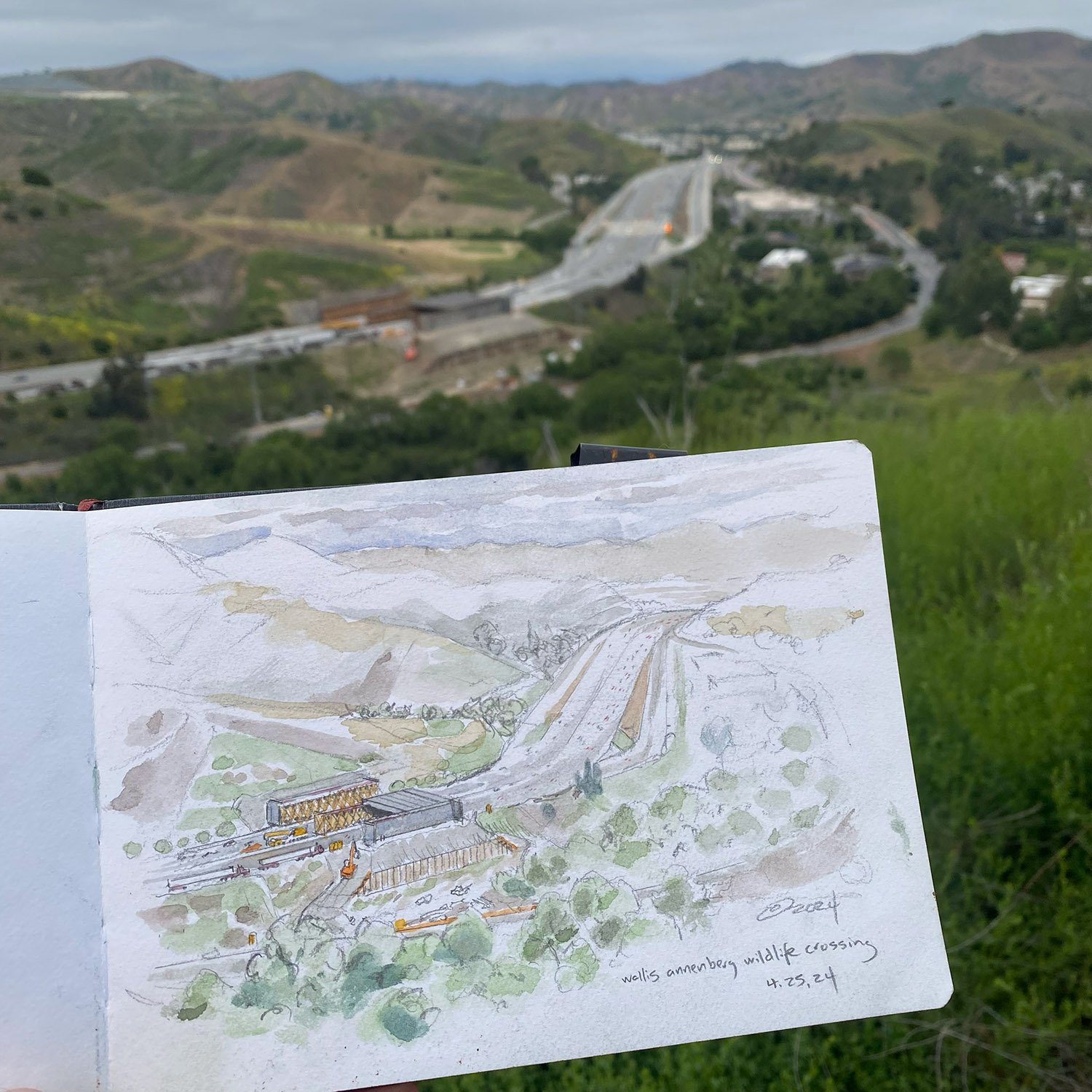
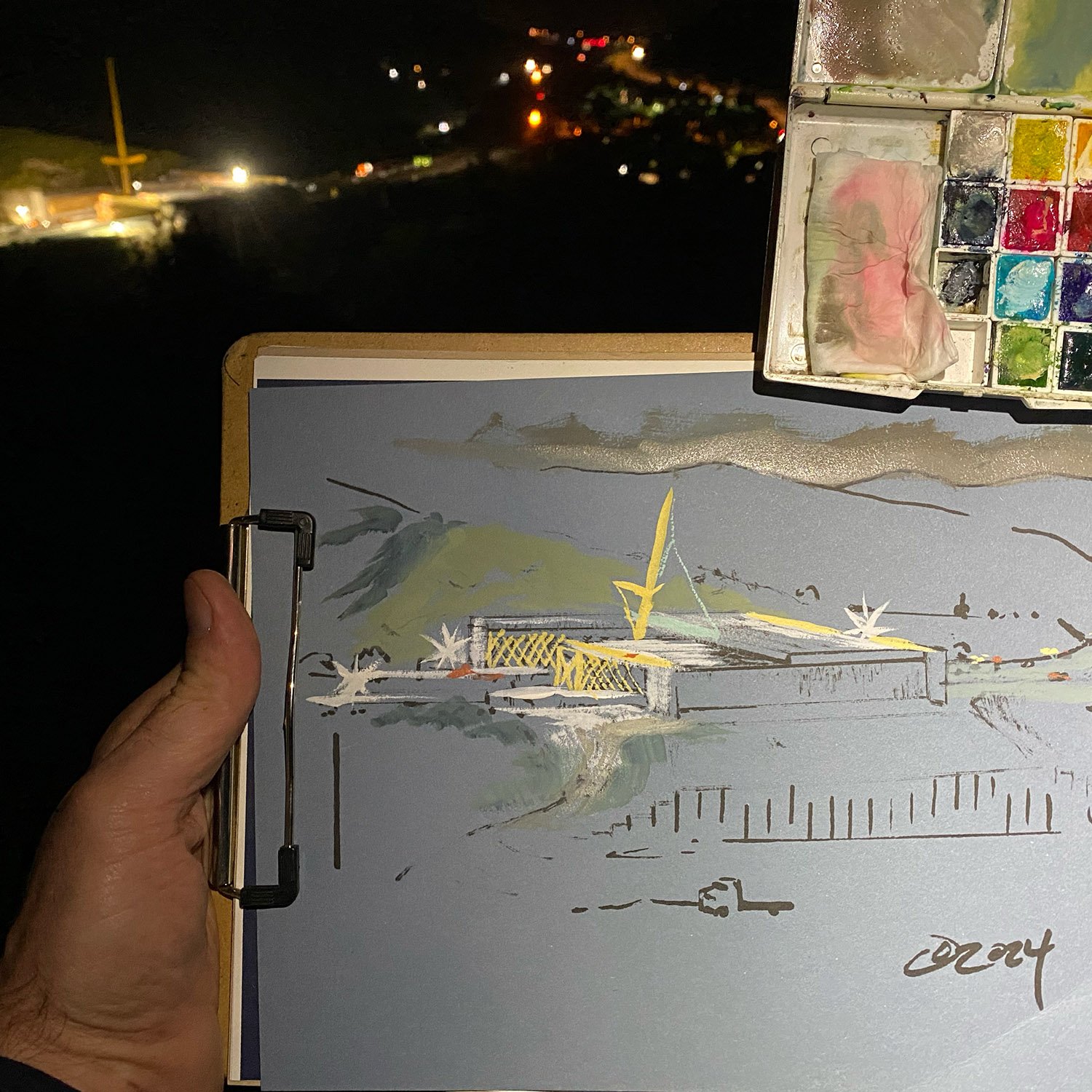
Though the final watercolors were completed in the comfort of my studio, I was able to join Ryan on a few adventures, including a midnight hike to sketch the construction of the world’s largest wildlife crossing. How else would I get the lighting and color right?
“Oliver is the creative partner every writer hopes for—incisive, generous, relentless. All in from day one, he has an uncanny ability to transform even the roughest idea into something unforgettable.”
PUTTING ANIMALS ON THE MAP
The Hidden Nations of Animals also features original maps. Much like I had done in Where the Animals Go, I used remote sensing, radar, census data, and GPS to reveal unseen realms: the world’s densest concentration of beaver dams, Europe’s warring ant factions, an underground mole-rat network, the railways bisecting saiga ranges, and the crane population of Korea’s seemingly uninhabited DMZ.
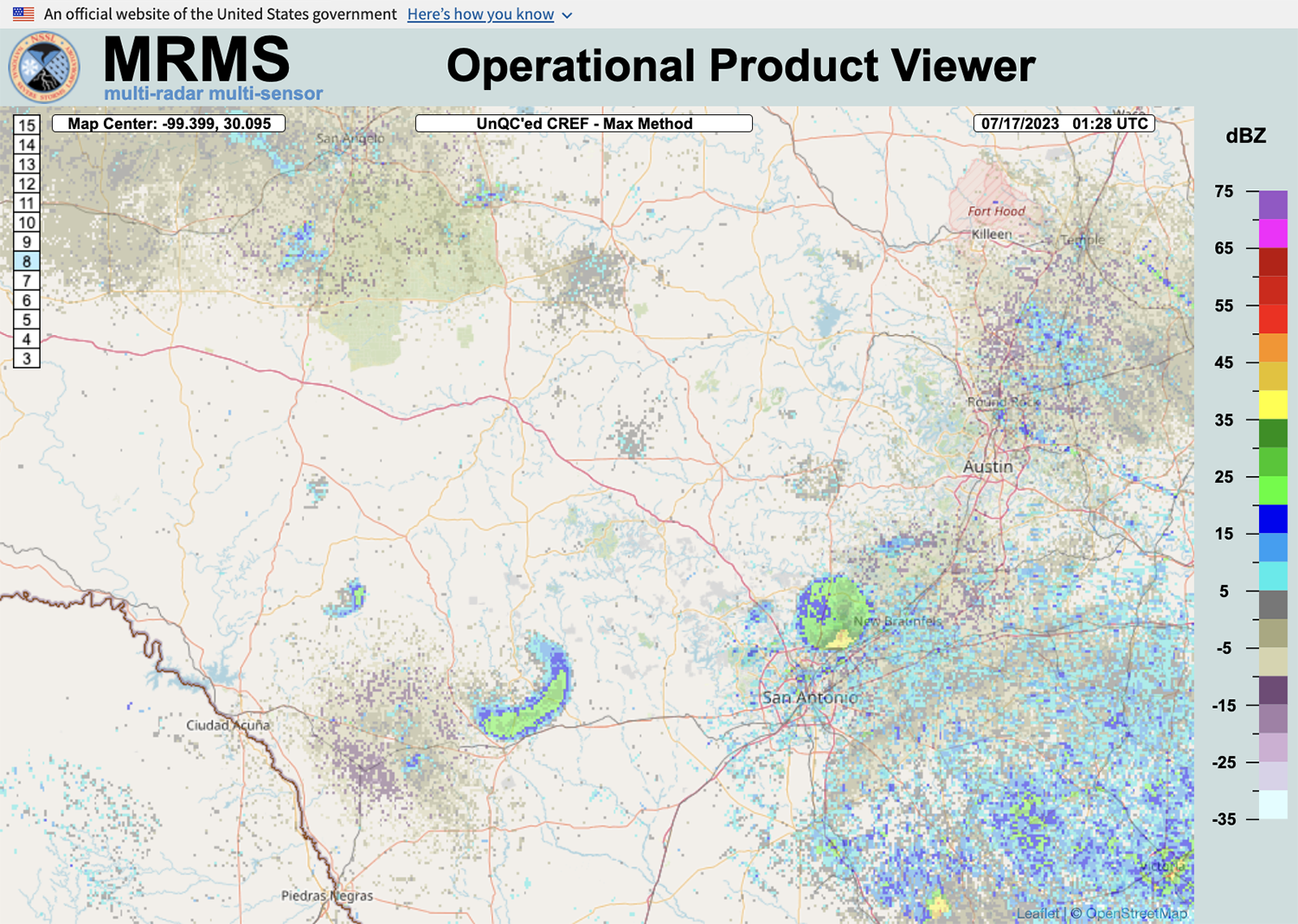
My favorite is probably our map of Texas bat colonies. Bats emerge from their hideouts at dusk—a time that varies significantly across the vast state. Because of this time lag, a single radar sweep could never capture all the emergences. To overcome this, I composited data from four sweeps, taken 30 minutes apart, into a single image.
A TRICOLOR for ANIMALIA
The Hidden Nations of Animals is an anthem for all those who inhabit the Earth alongside us. When designing its jacket, I kept returning to one idea: what might a flag for an animal nation look like? Instead of rectangular stripes, I pictured ragged swashes of color like the one Rafiki wipes across Simba’s forehead in The Lion King.
Typographically, I set the main words of the book’s title in a stately split-serif, cut from the swashes as if chiseled into a government edifice. The subtitle meanders in a nod to Ryan’s global journey.
The hardest part? Choosing which animals to feature. Bats and mole-rats aren’t exactly charismatic booksellers, and our American publisher forbade ants on the front cover. (Ever contrarian, the French did just that—et je l'adore). Ultimately, a jackdaw, mountain lion, herd of saiga, and diving humpback provided the perfect balance of land, sea, and sky. If you have a soft spot for cranes, ants, or hedgehogs, fear not. I hid them elsewhere.
“There’s no shortage of books about human maps, but Ryan Huling has finally paid equal attention to the geographies of ants, bats, and African mole-rats. It’s about time!”